


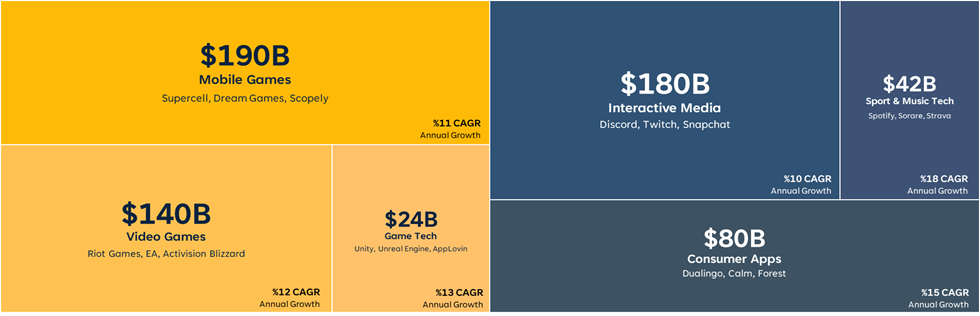
Gaming’s global revenue exceeds $184 billion, larger than the combined film and music industries. Mobile gaming alone drives nearly half of that value and remains the fastest-expanding segment of digital entertainment. This is not cyclical growth.
What we are seeing is a structural realignment of consumer attention, monetization mechanics, and engagement infrastructure, a realignment that is influencing how digital products are built, distributed, and monetized across sectors.
Gaming’s Economics Have Become Universal Logic
Gaming’s most significant contribution isn’t revenue. It is the operating logic it has taught the broader digital economy. The free-to-play model, which now accounts for the majority of industry revenue globally, upended old assumptions about how users pay for digital experiences. Games no longer sell products; they sell continuous relationships.
This shift required mastering three disciplines rarely found together before:
- Acquisition that converts attention into users at scale.
- Retention systems that turn fleeting visits into habitual behavior.
- Monetization frameworks that extract value without blocking usage.
These are not “gamification tactics.” They are systemic products and economic principles. Consumer apps whether social, learning, lifestyle, or finance now borrow these principles because they compete for the same scarce resource: sustained daily engagement. This is why RL elements appear in Duolingo progression, habits affect Calm’s retention metrics, and short-loop incentives drive fitness and productivity apps.
Gaming trained the industry in retention math before retention became the main valuation metric.
Engagement Supplants Passive Attention
Traditional entertainment is about passive consumption: Netflix, music, movies. Gaming is different. It demands participation and captures time at scale. Platforms like Roblox, which in 2025 logged engagement hours comparable to the combined totals of Steam, PlayStation, and Fortnite, and reached a significant fraction of Netflix’s usage hours, illustrate the scale of active interaction emerging in the category.
Consumers today oscillate fluidly between watching, interacting, and creating. Digital behaviors are shaped by feedback loops, social competition, and emergent experiences that previously belonged to gaming. Passive attention measured in viewership or downloads is giving way to interactive engagement as the dominant form of consumer time.
Capital markets are only beginning to price this transition.
Mobile: Behavioral Standard, Not Just a Platform
Mobile gaming’s dominance, roughly half of all gaming revenue globally, is not a matter of convenience. It reflects a deeper behavioral consolidation .
Mobile conditioned users to expect:
- Instant access and seamless onboarding,
- Short but frequent engagement cycles,
- Embedded commerce and microtransactions.
These are not gaming advantages. They are product instincts optimized for a generation that lives on mobile. Smartphone ubiquity and universal app distribution have turned the device into the primary channel for interactive experiences.
Mobile today is where attention is activated, not just accessed. This changes the definition of consumer product success. Products that cannot build repeatable session loops struggle to retain users, regardless of category.
Monetization Is Maturing, Not Saturating
Gaming’s monetization sophistication shifted over the past decade. Free-to-play models dominate the industry because they blend engagement and spend fluidly. Consumer willingness to transact within digital experiences is no longer niche; it is mainstream. As digital wallets proliferate and payment infrastructure deepens globally, monetization headroom expands.
In emerging markets, where payment penetration and wallet usage are still evolving, this expansion will unlock revenue that already exists in engagement, rather than depend on user acquisition alone. Monetization here is not “catching up.”
It is structural: layering value capture on top of existing behavior.
Esports and Creator Economies: Expanding the Operating Model
Engagement is not just about games played. It is about communities formed. The global esports market, already exceeding $8 billion and projected to grow sharply over the next decade, demonstrates an expanding competitive ecosystem that crosses digital and live experiences.
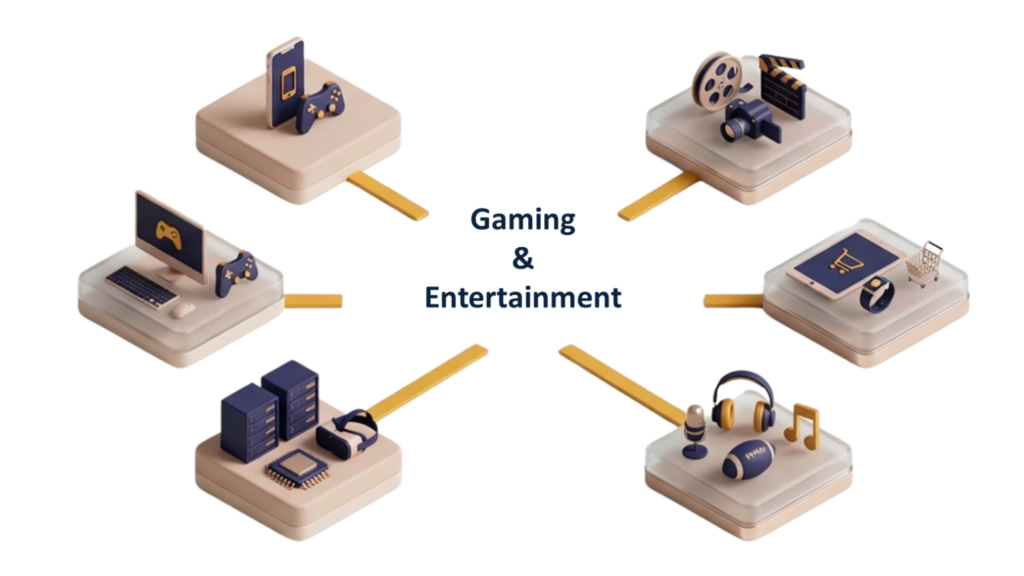
Live streaming, creator economies, and community-driven discovery systems all emanating from gaming culture are reshaping how audiences participate and how products are distributed. These dynamics influence everything from short-form video algorithms to social commerce loops.
Gaming is no longer confined to “games.” It is prototype logic for building persistent attention networks.
The Structural Implication for Capital Allocation
For investors, the important inflection is not growth rates. It is operational pervasiveness. Gaming’s mechanics have become foundational, not an optional layer, for consumer product design. Where once gaming was a market vertical, it is now a core engagement paradigm. This paradigm is rewiring expectations around retention, monetization, and long-term value creation.
As AI tools accelerate creative production and personalization at scale, teams fluent in engagement economics will outpace those anchored in legacy distribution models. Capital is beginning to recognize this. But the deeper shift is still unfolding: the winners will not be defined simply by titles launched or revenues booked, but by how effectively they leverage gaming-native operating systems to sustain user attention across the broader digital ecosystem.
Gaming no longer sits beside entertainment. It shapes it.



Comments are closed.